Handbuilt Homes of the Alpine–Adriatic, Living Craft and Calm Interiors
Today we journey through handbuilt homes, vernacular architecture, and natural interiors across the Alpine–Adriatic, celebrating how stone, timber, lime, and wool shape dwellings that breathe with the climate and the people. Expect practical guidance, vivid stories, and time‑tested details that invite warmth, resilience, and meaningful connection to place in every room and threshold you cross.

Roots in Stone and Timber
Across the Alpine–Adriatic, houses rise from what the land generously provides: larch planks, spruce beams, dolomite slabs, karst limestone, and chestnut shingles shaped by weather and generations. Builders read valleys, forests, and ridgelines like instruction manuals, aligning walls to winds and roofs to snowfall, letting nature dictate both structure and interior comfort with confident, quiet intelligence earned by long practice.

Reading the Landscape
Orientation decides how a home feels in winter’s longest nights and summer’s brightest noons. Entrances shelter from prevailing winds; windows frame morning sun; walls thicken where storms strike hardest. Each decision flows from observing slope, water, and tree line, producing interiors that remain evenly tempered and luminous without demanding complex devices, just attentive placement and honest respect for terrain.
Forest as Workshop
In valleys where saw marks tell time, carpenters select larch for weathered facades, spruce for resonant ceilings, and beech for durable floors. Joinery replaces excess hardware, and natural oils bring grain alive. Inside, broad boards quiet footsteps and soften acoustics, while exposed beams guide warm air. The forest supplies both the skeleton and the atmosphere of restorative, tactile rooms.
Stone that Breathes
Dry‑stone walls, lime‑set masonry, and thick rubble cores store daylight heat and release it slowly, keeping interiors stable when mountain winds turn sudden. Stone window seats cool in summer and anchor conversation in winter. With limewash and vapor‑open mortars, these walls exhale moisture safely, preventing stale air and preserving a clean scent that feels like walking along a shaded stream.
Craft Traditions That Endure
Skill in this region passes across family tables and scaffolds: shingle makers judging knots by touch, lime burners reading flames, terrazzo artisans balancing aggregates, and stove builders mapping heat like cartographers. These trades shape not only facades but interior rituals, from how a bench is warmed to where bread cools. The result is dwellings that nourish bodies, conversations, and winter patience.
The Tyrolean Stube and Tiled Stove
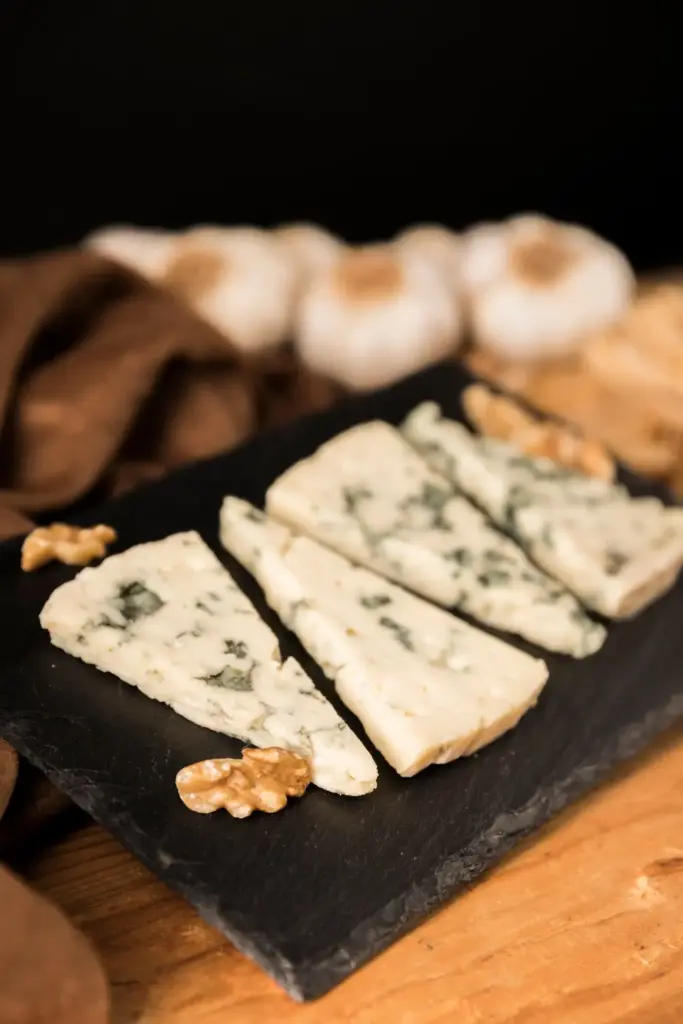
At the heart sits a massive kachelofen, charging slowly, releasing heat for hours while families gather on a bench backed by warm ceramic. Paneled larch walls reflect amber light; small windows curb heat loss. This room teaches energy thrift without austerity, replacing constant blast with steady comfort, gentle humidity, and a shared rhythm of tending, sitting, telling, and listening.
Slovenian Kozolec Lessons
The kozolec, a timber hayrack, may stand outside, yet its wisdom moves indoors. Airflow without draughts, shaded spaces that dry rather than bake, and timber assemblages designed for repair guide pantries, mudrooms, and lofts. Borrow its openwork logic for cupboards that breathe, drying rooms that truly dry, and interior partitions that filter light, scent, and time like careful screens.
Natural Interiors for Health and Calm
Materials here are chosen as much for breathability as for beauty. Lime and clay foster gentle humidity, sheep’s wool insulates while absorbing odors, and natural oils nourish wood without sealing it shut. These interiors feel restful because they exchange moisture and light sensibly, allowing microclimates to settle. You can sense this immediately: quieter echoes, warmer shadows, and air that remains refreshingly clear.
Climate Wisdom and Performance
{{SECTION_SUBTITLE}}
Roofs Built for Mountains
Larch shingles or standing seam metal, fastened with smart detailing, shrug snow and withstand gusts that would rattle lesser assemblies. Ventilated cavities keep decks dry, while generous eaves shelter walls and thresholds. Inside, the ceiling follows the roof, creating airy volumes that remain warm at sitting height. The result is cozy space beneath a hardworking hat shaped by storm lessons.

Summer Cool, Winter Warm
Stone and earthen plasters slow temperature swings; nighttime ventilation flushes heat; shutters temper midday glare. Wool batts, cork boards, and wood fiber panels insulate without trapping moisture. Interiors breathe, so comfort comes quietly, without continuous mechanical noise. Habit supports physics: open early, shade wisely, cook with lids, and gather around steady radiant sources that warm bodies, not just air.
Stories from Valleys and Coasts
Tradition survives because people keep renewing it. A mason in Kobarid rebuilds quake‑shaken walls with lime and patience. A shepherd on Alpe di Siusi insulates rafters with wool from her own flock. In Rovinj, sea‑salted breezes meet stone floors that glow at dusk. Interiors inherit these choices, becoming albums where touch, smell, and light record days worth remembering.
A Home Reborn in Kobarid
After the tremors of an anxious night, a family chose flexible lime mortars and timber ties instead of rigid fixes. They widened sills for safer daylight, set a bench into the thickest wall, and left stone honest. Months later, visitors notice calm air and a gentle hush. The house feels steady, not stern—proof that resilience can be warm, not hard.
Alpe di Siusi Night Warmth
On a plateau where stars seem nearer than towns, a rebuilt hut layers sheep’s wool, spruce boards, and clay plaster. Cooking on a small stove preheats mass for sleep. By morning, paneled walls hold a pleasant, dry warmth. Boots dry without crackling heaters, and the first coffee tastes of woodsmoke, pine resin, and relief at arriving home again.
Sea Breeze in Stone Rovinj
In a narrow street above the harbor, shutters modulate wind like an instrument. Terrazzo floors stay cool; limewashed stairwells glow like shells. Evening brings laughing neighbors and a faint scent of fig leaves. The house filters salty humidity gracefully, proving coastal comfort isn’t a gadget but choreography—open, tilt, reflect, and rest, so interiors hum with quiet maritime balance.


Conservation and Responsible Revival
Preserving heritage is not freezing time; it is guiding buildings to keep serving life. Stabilize, repair, and improve breathability before adding layers. Where performance lags, upgrade discreetly with fiber insulation and tuned ventilation. Inside, retain proportions, reuse doors, and celebrate tool marks. Communities thrive when buildings remain useful classrooms where apprentices learn patience, and neighbors gather without nostalgia’s fog.
Join the Conversation
Your experiences keep this living archive useful. Share a corner you redesigned with limewash, a window seat that changed mornings, or a stove that finally warmed the furthest room. Ask questions, challenge assumptions kindly, and tell us which details you want measured, drawn, or filmed next. Together we can keep handbuilt wisdom practical, generous, and ready for tomorrow’s builders.
Post photos, floor plans, and the three decisions that mattered most, whether a shingle pattern, a clay finish, or a shutter latch. Describe how interiors feel at dawn and after guests leave. Your lessons help others avoid missteps, choose materials wisely, and trust simple solutions. We feature selected stories to celebrate regional craft and inspire grounded, joyful building everywhere.
Considering wood fiber insulation, a tiled stove retrofit, or limewash over old paint? Pose your context, climate, and constraints, and our readers—builders, craftspeople, and homeowners—will share field‑tested ideas. Expect sketches, material lists, and seasonal strategies, not slogans. Honest questions grow into shared experiments that improve interiors tangibly, one window reveal, bench height, and breathable layer at a time.
Join our letter for on‑site observations, annotated details, and interviews with makers from South Tyrol to the Karst. We send slow, useful dispatches: tools that earn shelf space, finishes that age well, and stories that rekindle courage. Subscribing keeps the conversation alive and ensures your next interior choice comes with grounded confidence and friendly, practical drawings to guide hands.

All Rights Reserved.